
The project was predicated on an exhaustive exploration of Naga tribal culture, encompassing their rich heritage, intricate customs, and profound connection to the natural world. It examined the influence of the environment on Naga life, which is evident in their craftsmanship, particularly woodcarving, weaving, and metalwork. The exploration highlighted how Naga craft traditions reflect their animistic worldview, with nature-inspired motifs adorning various objects.
This symbolism blurs boundaries between human, animal, and spiritual realms. Naga craftsmanship demonstrates a diverse array of handmade traditions, including basketry, pottery, and jewellery-making, underscoring their self-sufficiency.
The study emphasised the sustainable nature of Naga material culture, relying on locally sourced materials transformed into durable, multipurpose items. It also noted the significance of the Naga colour triad—red, white, and black—in encoding social hierarchies and achievements.
Motif
Mithun
Hornbill
Tiger
Elephant
Bear
Monkey
Great Barbet Meat chunks Women’s breasts
Sun, moon, stars
The Nagascape Deco project represents an innovative synthesis of disparate design paradigms, juxtaposing the primordial aesthetics of the Naga tribal community with the refined geometry of Art Deco. The project builds upon The Great Eastern Home's established expertise in Art Deco, seeking to infuse this sophisticated urban aesthetic with elements from the rich, nature-inspired design tradition of the Naga tribes. This fusion aims not only to create unique, culturally resonant pieces but also to draw attention to the endangered cultural heritage of the Naga people, promoting awareness and appreciation of their distinctive artistic legacy.
This interdisciplinary approach seeks to interrogate the boundaries between indigenous craftsmanship and modernist design principles, culminating in a collection of furniture and decor products that embody both cultural reverence and contemporary functionality.
By meticulously deconstructing and reinterpreting Naga motifs, such as the symbolic Mithun and hornbill, through the lens of Art Deco's characteristic streamlined forms and luxurious flair, the project aims to create a dialogue between the organic, nature-inspired elements of tribal design and the urban sophistication of early 20th-century modernism. This fusion not only challenges conventional categorizations of "primitive" and "advanced" design but also explores the potential for cross-cultural aesthetics to inform and enrich contemporary furniture design.
The resulting designs serve as a tangible manifestation of cultural hybridity, offering insights into the adaptability and timelessness of indigenous design elements while simultaneously demonstrating the enduring appeal and versatility of Art Deco principles. Through this synthesis, Nagascape Deco aspires to contribute to the ongoing discourse on the evolution of design in an increasingly globalized context, proposing a model for respectful and innovative engagement with traditional aesthetics in modern design practice.

Symbolism
Fertility, Prosperity, Wealth
Status, Power, Royalty
Courage, Strength, Protection
Strength
Fame as a warrior/hunter
Agility, Skill
Luck, Fame
Feasts of merit given by the house owner
Success in love, Power, Prowess in war
NAGASCAPE DECO


Figure 1: Project photoshoot at The Great Eastern Home
Figure 2: Concept Board Illustration
Graduation Project with The Great Eastern Home
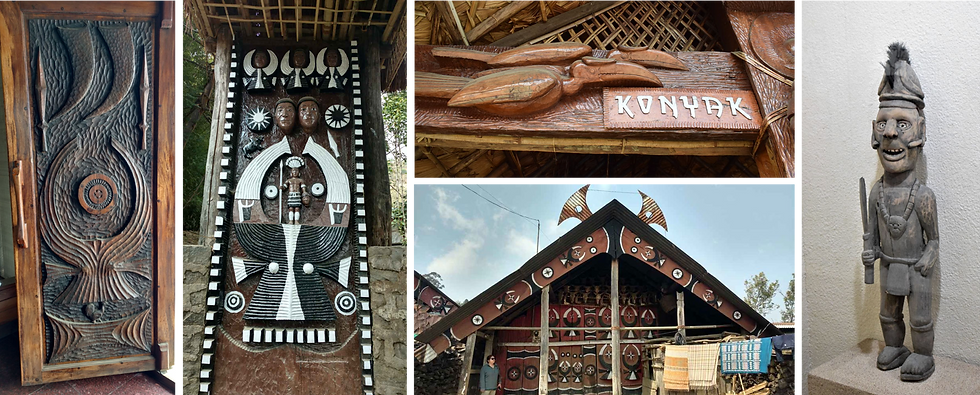

Figure 3: Naga Woodcraft, Textile craft, Jewellery (Source: Tripoto)

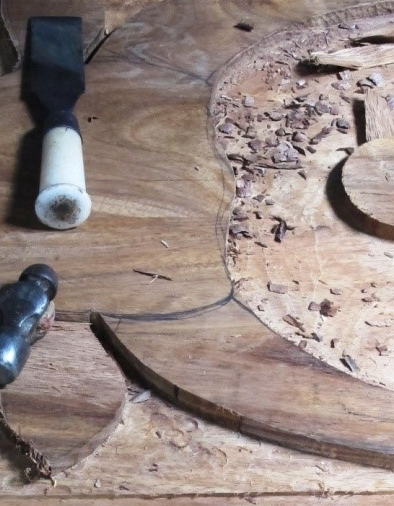
Art Deco, a design movement that flourished between the two World Wars, represents a pinnacle of luxury, glamour, and faith in social and technological progress. This influential style, characterized by its sleek geometric forms and lavish ornamentation, found a significant foothold in Mumbai's architectural landscape during the 1930s and 1940s. The city boasts the world's second-largest collection of Art Deco buildings, second only to Miami, making it a fitting backdrop for The Great Eastern Home's exploration of this design language.
Art Deco features in Mumbai Architecture

Figure 4: New India Assurance Building (left), Eros Cinema building (right)
Image Sources: The Hindu

Figure 5: Bombay Samachaar Building, Image source: Dreamstime

Figure 6: Eros Cinema, Churchgate, Source: Art Deco Society of New York
Figure 7: Detailed view of ground floor window on Rajjab Mahal, Image source: Art Deco Society of New York

Ziggurats
Arches
Buttresses
Linear geometric divisions & aerodynamic forms
Motif extraction from Naga craftsmanship


Figure 8, 9: Naga House Architecture, Image source: Kaarvan
Figure 10: Naga Mithun motif, Source: Unknown
Figure 11: Naga Hornbill totem pole Image source: 1st Dibs
The project aimed to reinterpret these traditional, nature-inspired elements in contemporary contexts, bridging indigenous wisdom with modern design sensibilities.


Ideation extracts from the sketchbooks


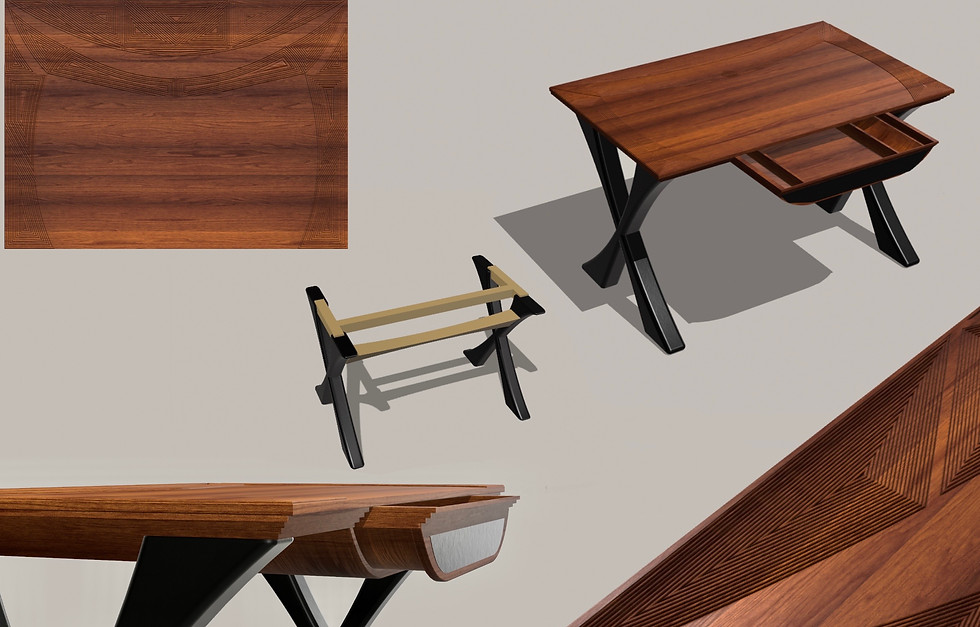

Furniture
Technical sheet, renders and manufacturing


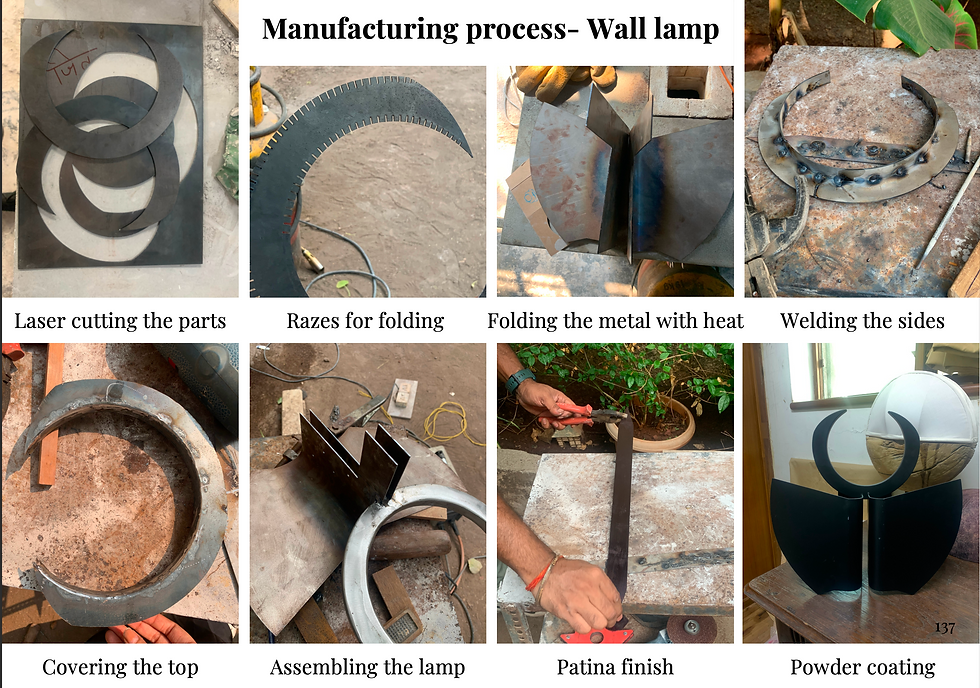


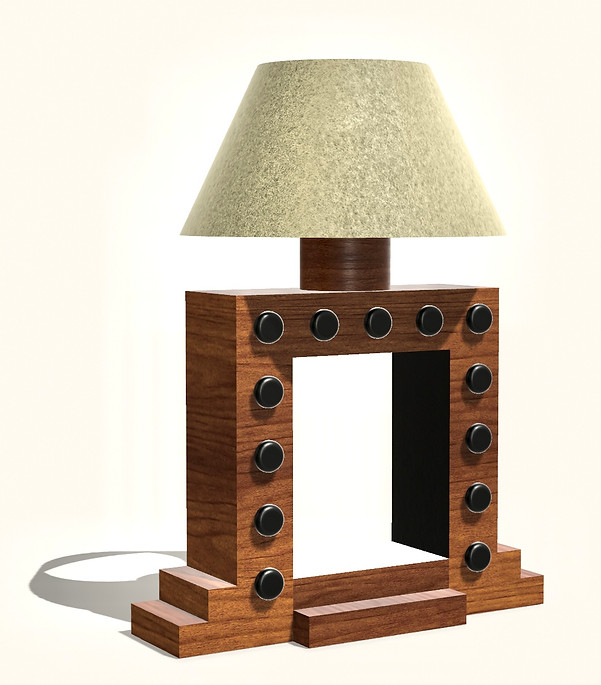
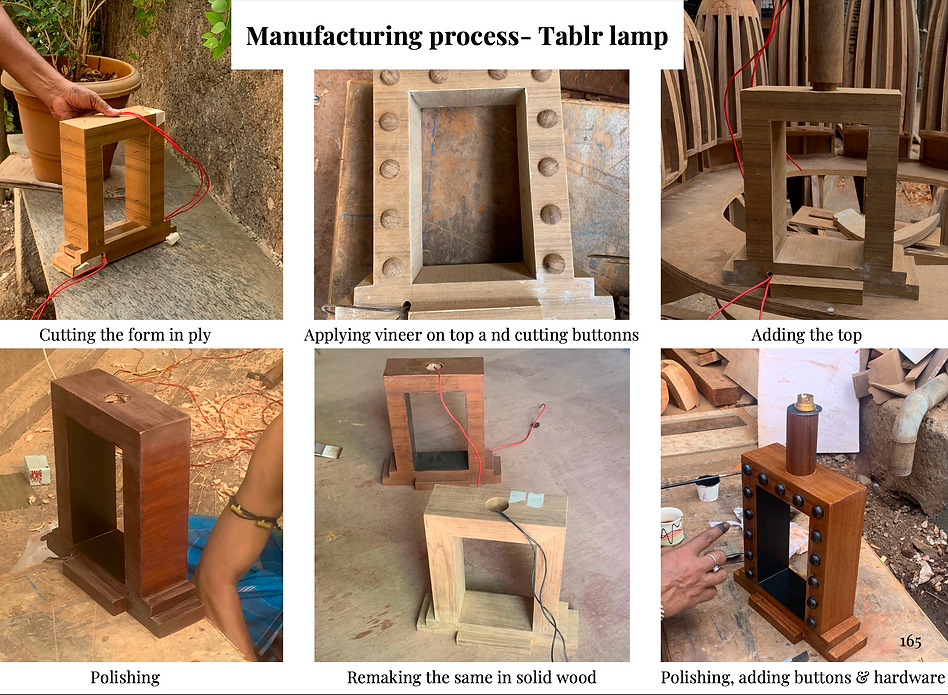
Lighting
Technical sheet, renders and manufacturing



Tabletop accessories
Technical sheet, renders and manufacturing


Art Deco features in the designs


Linear geometric divisions
Ziggurat detailing
Aerodynamic curves
Lavish ornamentation
Product Range


